Inter American Transportation Service (ITS) coordinates day-to-day freight operations across domestic, intermodal, and cross-border shipments. Each service is managed through defined procedures for tendering, dispatch, tracking, and documentation to support controlled and predictable execution.
Domestic Brokerage
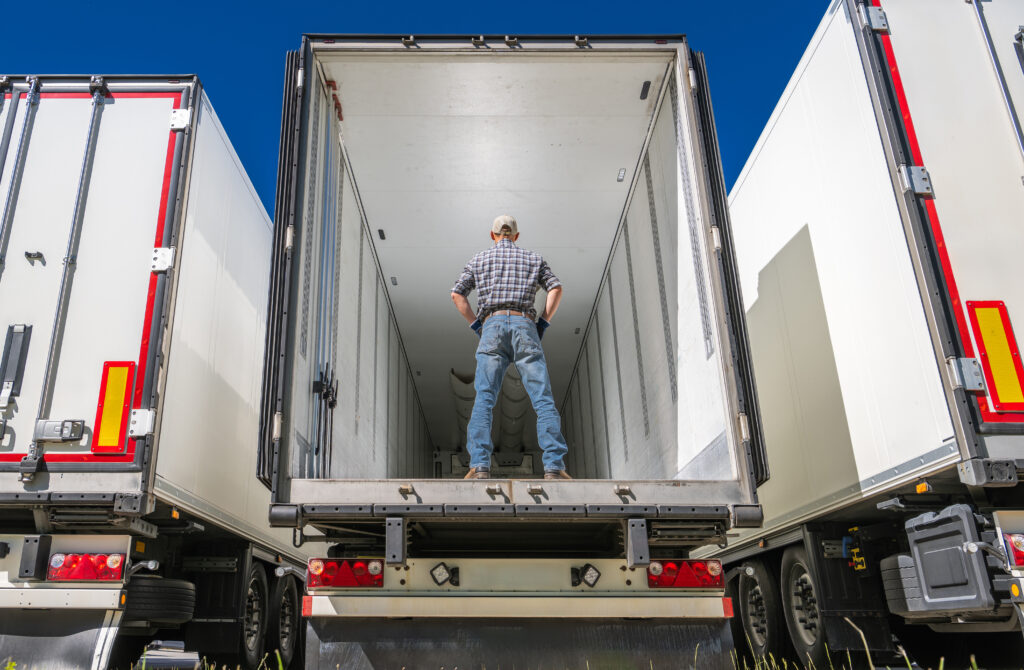
ITS manages full truckload (FTL) and less-than-truckload (LTL) shipments using vetted carriers, scheduled appointments, and structured status updates from pickup through delivery. The focus is on matching lane requirements with appropriate equipment while maintaining consistent communication for shipper teams.
ITS coordinates cross-border freight between the U.S., Mexico, and Canada, including full truckload (FTL), less-than-truckload (LTL), and intermodal movements. Operations are managed through defined routing, documentation, and communication procedures to ensure consistent execution across border crossings.
Intermodal shipments are coordinated by combining rail and truck where that mix supports a shipper’s cost and transit objectives. ITS operates as an Intermodal Marketing Company (IMC) and manages routing, hand-offs, and communication through a single point of contact, with access to intermodal ramps in the U.S. and Mexico.
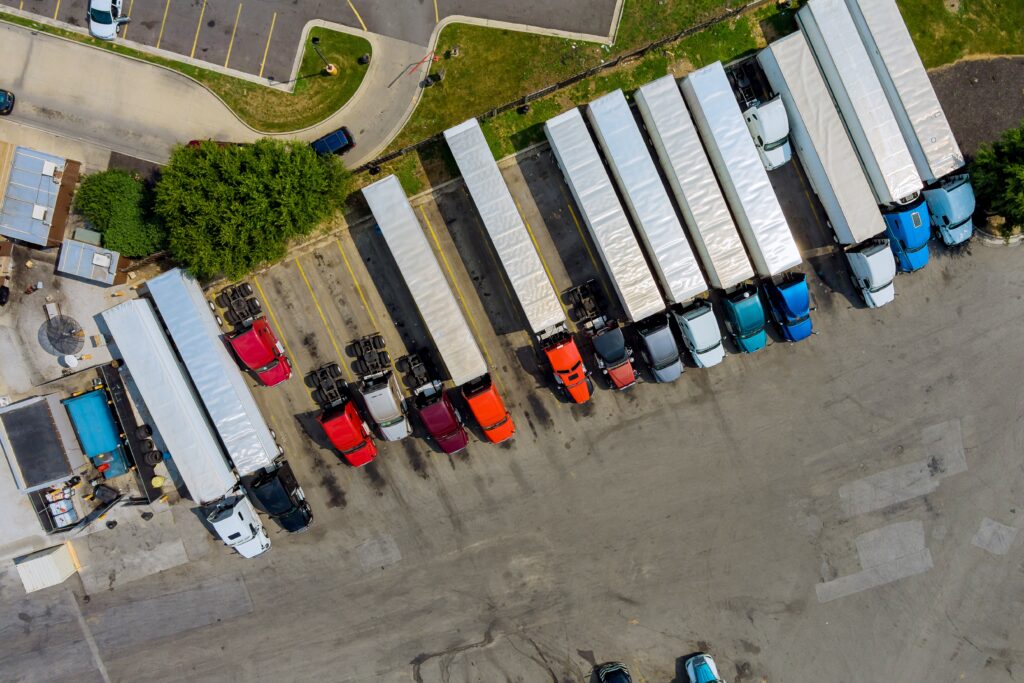
Brokerage operations are supported by access to equipment, warehouse space, and yard capacity in key locations, including Laredo. These assets support staging, transfers, and short-term storage when required, while transportation is coordinated through vetted carrier partners.
Door‑to‑door moves combine origin pickup, linehaul, and final delivery under one coordinated plan. ITS keeps shipment details, contact points, and documentation aligned so each hand‑off is clear to the parties involved.
ITS reviews lane profiles, volumes, and service requirements to determine how its operating model can support a shipper’s transportation program. Contact the team to discuss operational requirements and next steps.